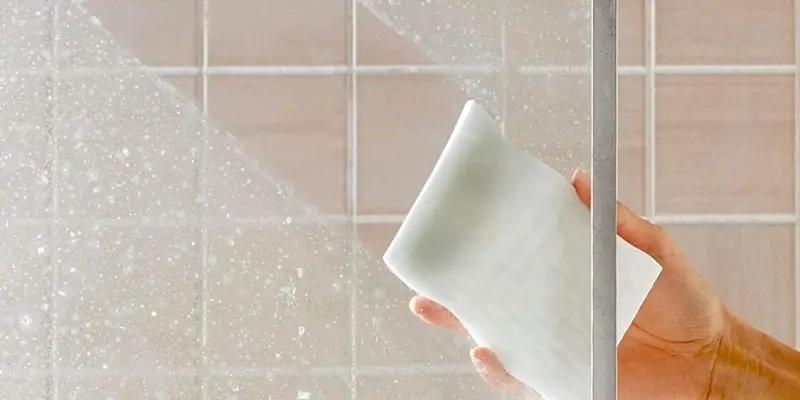
Eco-cleaning of limescale
Hard water causes the buildup of limescale deposits on glass and other smooth surfaces. Whether it's a shower cabin, sink, bathroom mirror, or even an aquarium, the formation of these annoying white spots is inevitable.
The most unpleasant thing is that they are difficult to clean and in many cases, it requires a lot of effort on your part. There are many proven products on the market to combat limescale deposits, but for fans of ecological and inexpensive cleaning methods, we share our experience in dealing with seemingly harmless but very insidious stains.
How limescale is formed
Water hardness is a characteristic that expresses the content of dissolved salts and minerals in it (most commonly calcium and magnesium). The salts and minerals are the source of limescale formation and significantly affect the taste quality of the water. Very hard water shortens the life of pipelines and electrical appliances and reduces the effectiveness of purification agents. When hard water is heated, the carbonate substances in the water settle in the pipes, heaters, and surfaces in contact with water and form scale. In addition to narrowing and clogging the pipes, there is also a very high consumption of electricity.
Also, when a device stops functioning properly, the first thing we hear from specialists is to clean the limescale. You may not believe it, but there are quite a few of us who have had to invest again in buying a dishwasher, washing machine, or other appliance, having previously secured ourselves with our systems for removing limescale.
Vinegar - the easily accessible solution in the fight against limescale
Vinegar is extremely effective for removing limescale because it is an acid. You can easily find it in your kitchen. In fact, many of the products on the market contain acetic acid in their composition.
Apply plain vinegar on a household sponge and start rubbing the stains. It requires patience and a strong hand, but the result is worth it. You can also soak a rag in vinegar and wrap it around the elements covered in limescale, so that the vinegar can soak and do its job.
Another practice is to sprinkle the areas with baking soda and then pour vinegar abundantly. Repeat the procedure until the desired effect is achieved.
You can easily clean the showerhead or faucet handles from limescale by soaking them in vinegar. Pour vinegar in a pot, enough to submerge the entire showerhead or other elements, and put them inside. To speed up the cleaning process, you can slightly heat the vinegar on the stove, without overdoing it, so as not to damage the plastic and rubber elements.
Citric acid - another proven solution against limescale
Alpaca children's dishes are ideally cleaned with citric acid. Sometimes there are stains on them, they lose their color and shine. When washing them, pour a few crystals of citric acid on the bottom and spread them with a sponge. Rinse the dish and it will regain its shine.
For cleaning limescale buildup in the bathroom, toilet, shower faucet, or tiles, it is advisable to make a solution in a spray bottle, spray them and then rinse thoroughly with water.
For your washing machine, we recommend pouring a dozen packets of citric acid into the powder compartment and running the machine empty on a short program and at 60 or 90 degrees. It is not recommended to do it often because of the rubber seals of the washing machine.
Home methods are recommended only when dealing with relatively small affected areas. If you think the problem is much larger, our advice is to turn to specialists and specialized cleaning products before you take any action or decision.