Cleaning the washing machine from limescale
Limescale is one of the biggest threats to any appliance that requires water to function, including washing machines. If we do not take the necessary precautions to protect it, the accumulation of limescale around the heating element and drum can cause us a lot of problems:
- High electricity bills, as more energy is needed to transfer heat through the limescale to the water.
- Sudden shutdowns of the washing machine during operation.
- Complete failure of the washing machine to function.
The main reason for the appearance of limescale in the washing machine is the hard composition of the water. In different areas of the country, it varies, but in most cases, it includes hard minerals such as calcium and salts. When washing, the water is heated, leading to a chemical process. As a result, the solid particles in the water's composition are converted into carbon dioxide and hard deposits. They mix with any available rust particles and stick to the heating element and drum of the appliance.
If we do not take adequate measures to avoid all of this, this hard layer will grow with each subsequent washing machine cycle. Also, we should keep in mind that the higher the temperature we wash our clothes, the more limescale will form. Some low-quality laundry detergents can also contribute to the harmful process.
If the problem is still in its infancy, we can easily deal with limescale in the washing machine ourselves. The most reliable helpers in our endeavor will be products that almost every household has in their kitchen - citric acid, apple cider vinegar. All of them are acids that can corrode and remove limescale from the appliance.
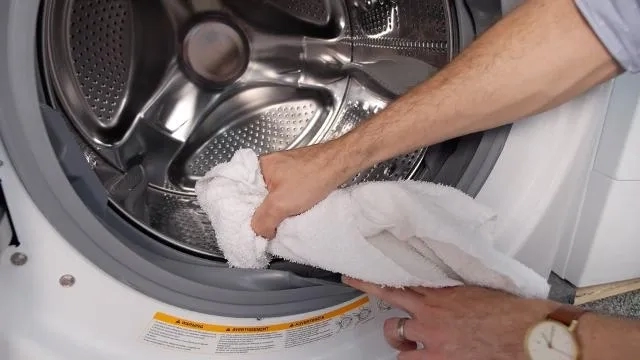
For this purpose, we need to set the washing machine to its longest cycle and highest temperature. We pour about 200 grams of citric acid or vinegar into the detergent compartment, and 100-200 grams of bleach into the drum. Then we start the selected program and wait. When the washing machine stops, it is good to run the rinse cycle once again. After it ends, we wipe the drum with a cloth, and the limescale stops bothering us - at least for some time.
The vinegar solution is quite aggressive and carries some risks for the washing machine. It is capable of removing a larger amount of accumulated limescale, but it is not particularly safe for the appliance.
Frequently Asked Questions
We want to purify the water for its use in a public laundry. Is Eco Water suitable for the operation of water in a public laundry?
How does Eco Water actually work? When can the difference in water qualities be detected?
What maintenance is required for Eco Water?
Is the Eco Water device suitable for cooking equipment?
Is it possible to install the Eco Water device at home? Where is it installed?